Navigating Safety on Your DofE Expedition
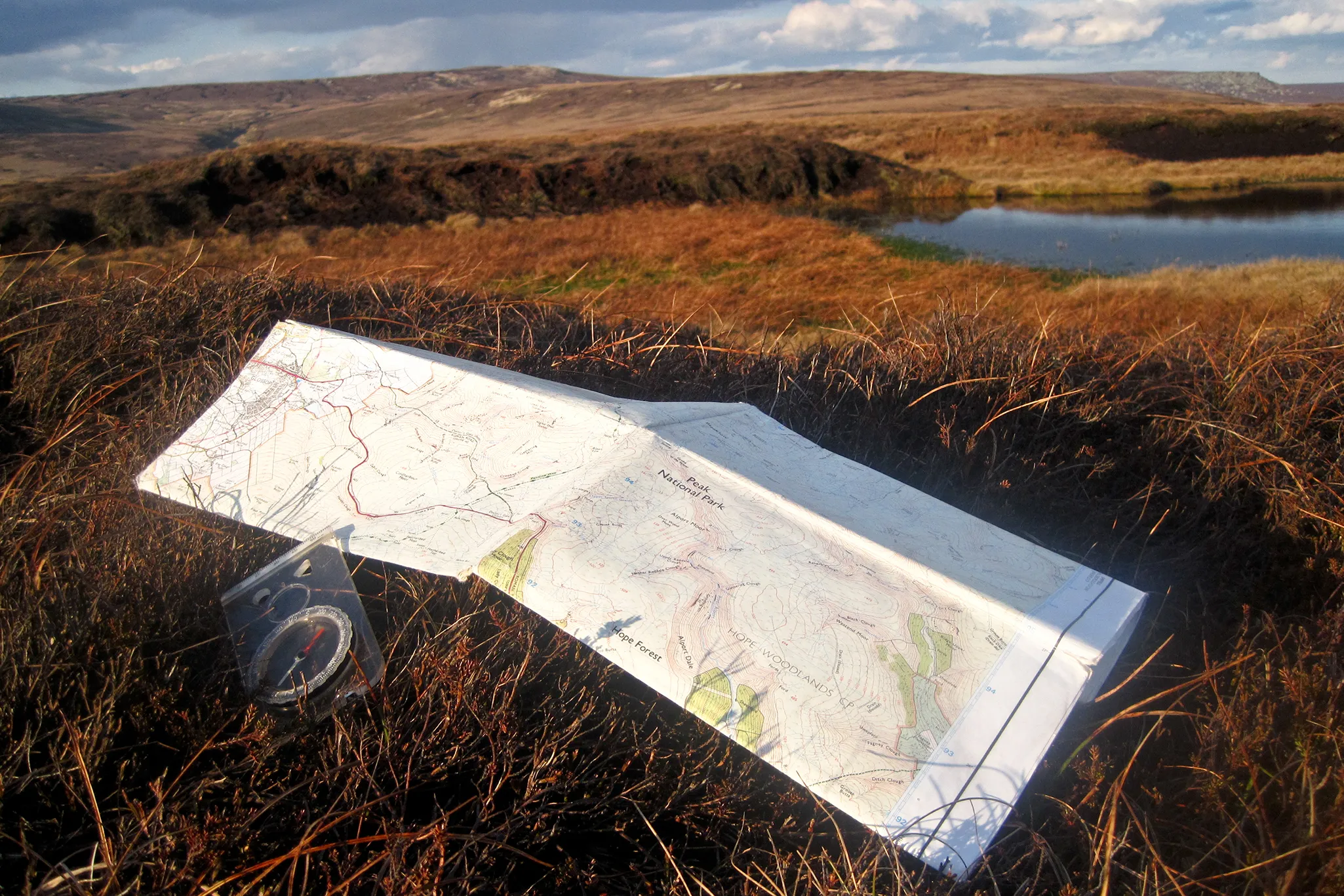
Embarking on your Duke of Edinburgh’s Award expedition is a rite of passage, a chance to push your boundaries and experience the UK’s stunning wilderness. But with adventure comes responsibility. As your DofE Manager, my priority is ensuring you’re equipped to navigate potential risks and return home safely. Let’s delve into the essential aspects of managing safety on your expedition.
1. Risk Assessment: Your Expedition’s Safety Blueprint
Think of a risk assessment as your expedition’s safety blueprint. It’s a systematic process where we identify potential hazards – think slippery rocks, sudden weather changes, or even a simple trip – and evaluate the associated risks. Why do we do this? To anticipate problems and put preventative measures in place.
- • Practical example: Before setting off, we’ll thoroughly assess our route, considering the terrain, weather forecasts, and group abilities. This helps us plan for potential hazards, like steep descents or river crossings, and have backup plans.
2. Navigation: Your Guiding Star
Getting lost is a serious risk. Mastering navigation is non-negotiable.
- • Essential skills: Map and compass skills are your foundation. Having these dialled makes your expedition so much smoother.
- • Route planning: Meticulous planning is key. Identify checkpoints, escape routes, and potential hazards beforehand.
- • Weather awareness: Weather can drastically affect visibility and navigation. Always check forecasts and be prepared for changes.
- • Emergency procedures: Know how to give a grid reference and how to call for help.
3. Weather and Terrain: Respecting Mother Nature’s Power
The UK’s weather can be unpredictable, and its terrain varied.
- • Weather monitoring: Check forecasts regularly and be prepared for anything.
- • Terrain awareness: Mountains, forests, and coasts all present unique challenges. Learn how to operate in them safely.
- • Appropriate clothing and equipment: Layer up, wear sturdy footwear, and carry waterproofs. Hypothermia and heatstroke are real risks.
- • Hypothermia/Heatstroke: Know the signs, symptoms, and how to prevent them.
4. First Aid and Emergency Procedures: Prepared for the Unexpected
Accidents happen. Being prepared is crucial.
- • First-Aid training: A first-aid course is highly recommended.
- • First-Aid kit: Carry a well-stocked kit and know how to use it.
- • Participant medical information: Keep medical details readily available.
- • Emergency procedures: Know how to signal for help and manage common injuries.
- • Lost participants: Have a clear plan of action in case someone gets lost.
5. Group Dynamics and Communication: Teamwork Makes the Dream Work
Your team is your safety net.
- • Teamwork: Effective communication and teamwork are vital.
- • Leadership and decision-making: Make sound decisions together, especially in challenging situations.
- • Conflict resolution: Resolve conflicts peacefully and constructively.
- • Communication devices: Mobile phones or radios (where appropriate) can be lifesavers.
6. Food and Hydration: Fuelling Your Adventure Safely
Your body needs fuel to function.
- • Nutrition: Pack balanced meals and snacks for sustained energy.
- • Hydration: Stay hydrated, especially in hot weather.
- • Food hygiene: Prepare and store food safely to avoid food poisoning.
- • Water purification: Know how to purify water in the outdoors if you’re away from safe water sources.
7. Equipment Safety: Trust Your Gear
Reliable equipment is essential.
- • Equipment checks: Check your equipment before and during the expedition.
- • Proper usage: Know how to use your gear correctly and safely.
- • Equipment maintenance: Maintain and repair your gear as needed.
- • Safe stove use: Follow all safety guidelines when using cooking stoves.
8. Legal and Ethical Considerations: Respecting the Land
We’re guests in the wilderness.
- • Countryside Code: Adhere to the Countryside Code and respect private land.
- • Access rights: Understand access rights and responsibilities.
- • Environmental impact: Minimise your impact on the environment.
Adventure Smart: A Shared Responsibility
Safety is a shared responsibility. By being prepared, working as a team, and respecting the environment, we can ensure a safe and successful DofE expedition. Remember, adventure smart is adventure safe!
Instagram
#QuitTalkingStartDoing